Shrimp in nature do not eat artemia.
Artemia are used in hatcheries because they are convenient, not because they are ecologically natural. PL shrimp in the wild nature mainly feed on insect material, benthic organisms and worms.[1]
Artemia is hypersaline crustacean and is not a natural feed/prey of shrimp. PL shrimp are benthic omnivores and detritivores and in the wild mainly feed on benthic organisms, insect material, worms, and detrital biomass. Artemia are found in salt water lakes and are not naturally co-occur with typical marine shrimp prey items in ocean/estuarine environments.
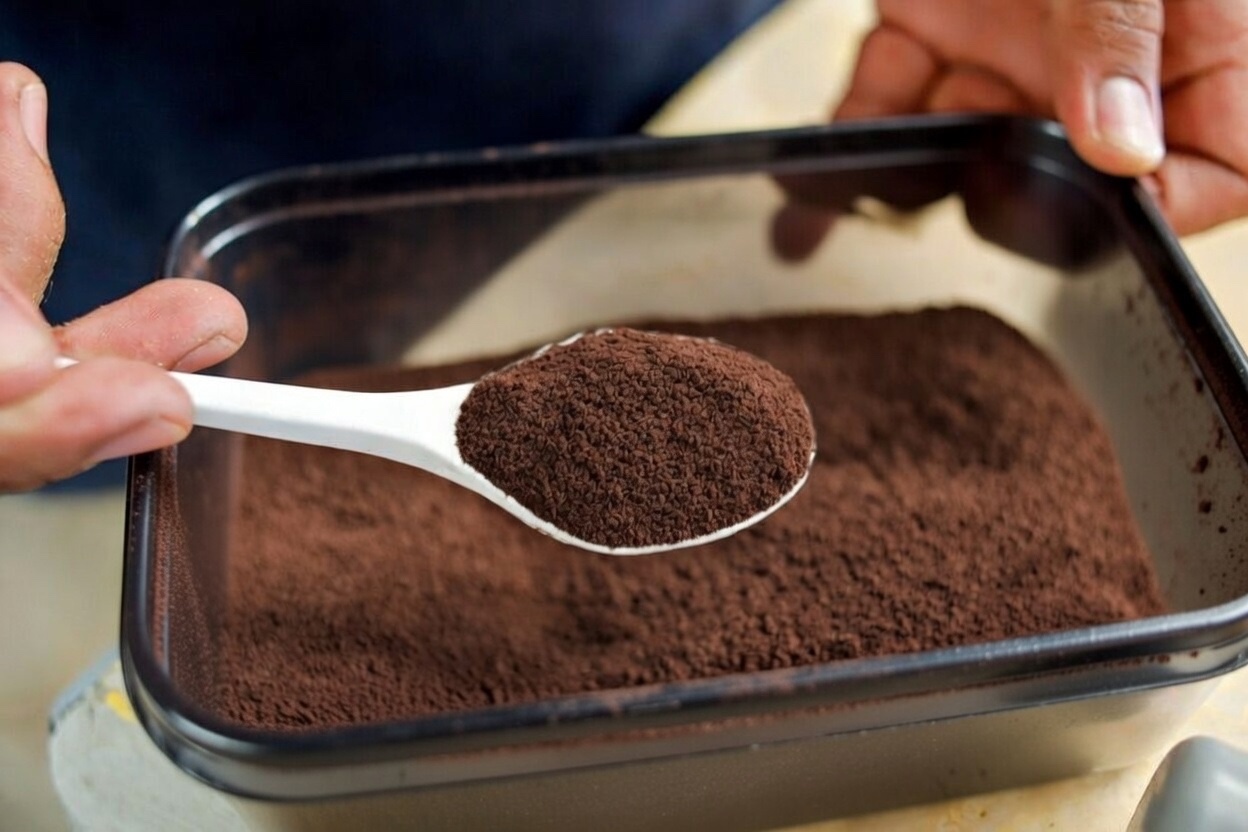
Insect larvae are biologically very close to the natural diet of PL shrimp. This matching amino acid profile is especially important In the PL stage. INNO#A is made of fresh insect protein and mirror the type of feed shrimp naturally consume in the wild.
The following graph compares the most important amino acids for strong shrimp growth. It compares the optimum amino acid values of feed shrimp consume in nature versus insect and artemia protein. INNO insect protein matches the natural feed of shrimps very close. Natural strong PL12 are the result.
No artemia. Same survival rate
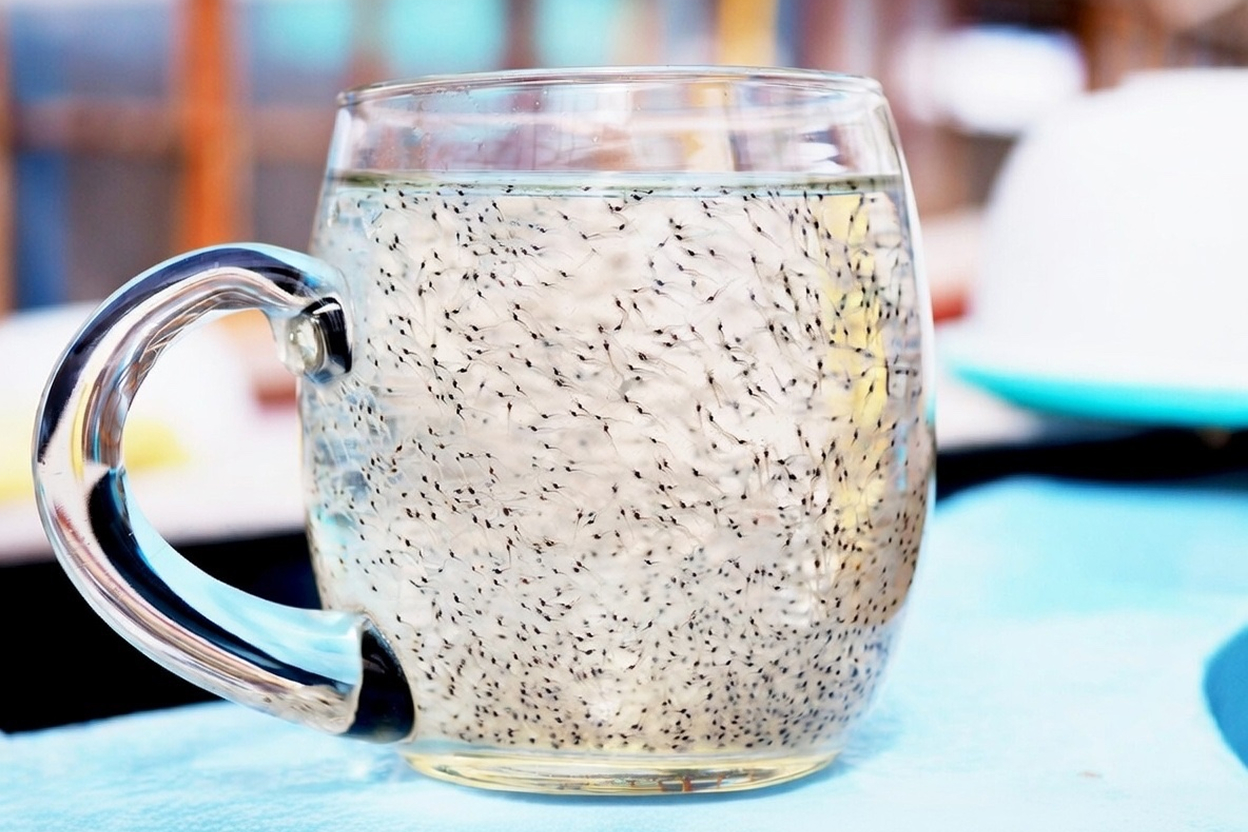
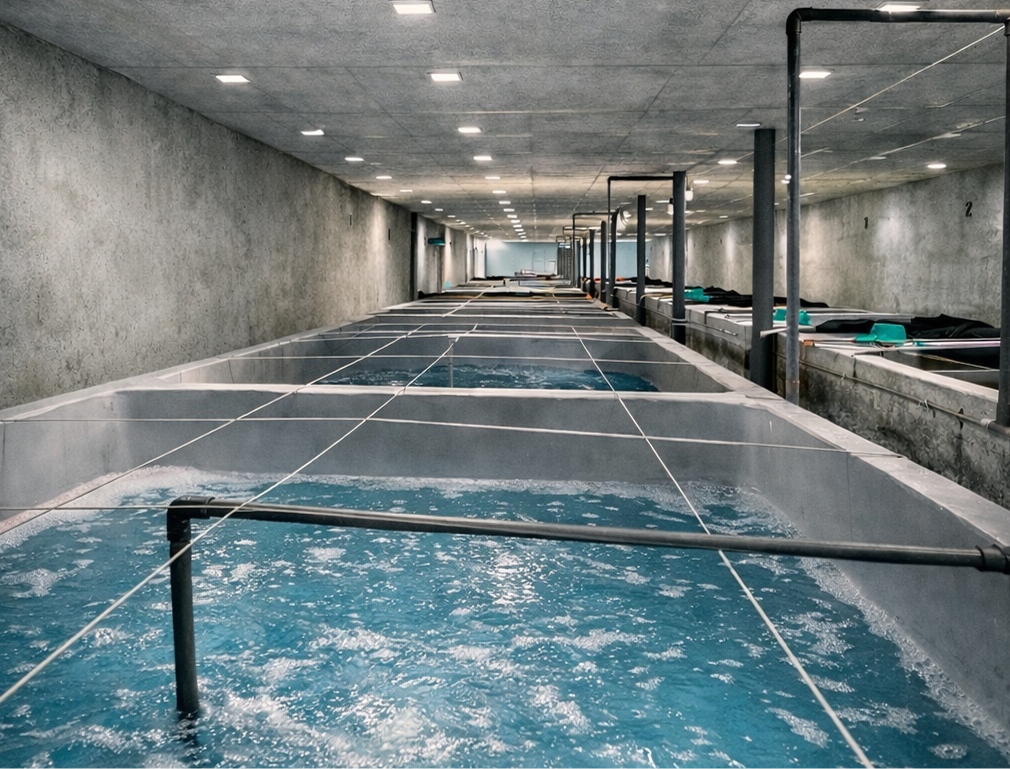
No need Artemia to prevent PL shrimp from cannibalism. Shrimp in nature “do not kill each other”. When PL shrimp have no hunger and competitive stress, there Is no cannibalism even in tanks with very high PL density. Even in tanks with up to 250.000 PL /m3.
Inno#A is a complete micro-feed. Engineered for high attractability and ingestion efficiency. INNO#A fully replace Artemia in this functional role. Under such conditions, shrimp post-larvae maintain normal feeding behavior, low stress levels, high survival, and low cannibalism without reliance on live feed. The fresh natural ingredients of INNO#A ensure that the feed is rapidly detected, highly ingested and digested. Under these conditions, stress and cannibalism are minimized even at commercial stocking densities. Survival rates close to 100% are the result.
Cannibalism in penaeid shrimp post-larvae is mainly a response to intensive hatchery conditions such as high stocking density, size differences, and insufficient or irregular feed supply.
In natural environments, shrimp have continuous access to benthic food and space, and cannibalism occurs only at low background levels. Cannibalism in shrimp post-larvae is not a biological necessity linked to a requirement for hunting live prey. It is primarily a consequence of nutritional insufficiency, density stress, and size hierarchy.
Artemia is widely used to reduce stress and cannibalism in hatchery tanks. But artemia is expensive and has a risk of bacterial problems. Use INNO#A. It matches the natural prey of PL shrimp, reduces stress and prevent cannibalism by providing PL shrimp enough nutrition. Shrimp do not naturally “kill each other”. They only do if the feed is not good enough. Feeding INNO#A provides survival rates from stage PL2 to 12 of close to 100%.
For most fish and cephalopod larvae, Artemia is required as a moving prey to trigger the visual hunting response. In contrast, shrimp and other decapod crustaceans are contact feeders, and Artemia functions primarily as a highly palatable, easily ingested feed source rather than as a necessary moving prey stimulus.
For shrimp, Artemia is not needed because they must hunt, but because it:
– guarantees fast ingestion,
– maintains continuous feeding,
– prevents hunger-driven cannibalism.
If a micro-feed:
– is highly attractive,
– is easy to ingest,
– is continuously available,
– matches shrimp digestive physiology,
then it can replace Artemia completely without increasing cannibalism or stress.